

Imagine standing at the edge of a lush wetland at sunrise, the air calm, the earth moist, and suddenly a tall, graceful bird unfolds its massive wings and takes flight. That bird might well be the Sarus Crane, an extraordinary avian species that symbolizes health, beauty, and loyalty in the natural world. Found primarily in India and Southeast Asia, the Sarus Crane has captivated bird lovers, conservationists, and nature travelers alike.
In this comprehensive guide, we’ll explore the Sarus Crane’s fascinating traits, its habitat, why it matters ecologically, and how you can experience this majestic bird in the wild, particularly at Satpura National Park with a stay at the best resort in madhai Lehar-Sa Resort by Pandav Hotels.
Understanding the Sarus Crane
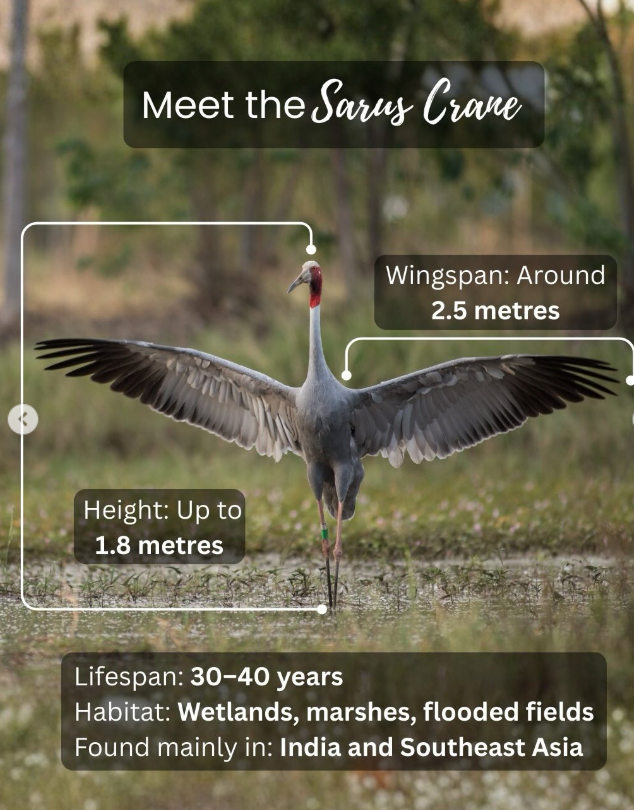
The Sarus Crane (Grus antigone) is no ordinary bird. It holds the title of the tallest flying bird in the world, reaching heights of up to 1.8 metres and sporting a magnificent wingspan of nearly 2.5 metres. Its commanding height and striking appearance make it one of the most iconic inhabitants of wetlands across India and Southeast Asia.
Here’s a quick snapshot of the Sarus Crane’s key characteristics:
- Height: Up to 1.8 metres
- Wingspan: Around 2.5 metres
- Lifespan: 30–40 years in the wild
- Habitat: Wetlands, marshes, flooded fields
- Found Mainly In: India and Southeast Asia
From the shallow waters of marshes to the rich floodplains of agricultural fields, Sarus Cranes thrive where water and vegetation flourish. These habitats supply abundant food resources, nesting areas, and safe zones for this sensitive species.
Behavior and Unique Traits
What sets the Sarus Crane apart from other birds goes beyond its size:
Symbol of Loyalty
Sarus Cranes form lifelong pairs, a remarkable behavior in the avian world. Once bonded, they stay together for life, strengthening the pair with synchronized movements and mutual care during breeding and raising chicks. Their lifelong bonds have made them symbols of loyalty and devotion.
Elegant Courtship Dances
During the breeding season, Sarus Cranes dazzle observers with beautiful courtship dances, involving jumps, bows, and aerial displays. These visually striking rituals play an important role in pair bonding and communication.
Indicator of Wetland Health
Because they rely heavily on wetland ecosystems, Sarus Cranes are considered indicator species. Their presence often reflects a healthy and balanced ecosystem. A thriving population of Sarus Cranes typically signals clean water, abundant food sources, and a well-functioning habitat.
Habitat and Conservation Importance
Wetlands are among the most productive ecosystems on Earth, supporting a rich diversity of plants, animals, and migratory birds. They act as natural filters for water, absorbing pollutants, regulating floods, and storing carbon, vital functions for environmental health.
But wetlands are threatened worldwide due to:
- Land conversion for agriculture and development
- Water pollution
- Climate change
- Human disturbance
These pressures have affected the Sarus Crane’s habitat, contributing to its classification as Vulnerable on the IUCN Red List. Protecting this species is not just about saving one bird, it’s about conserving entire landscapes and the countless species that depend on them.
Spotting the Sarus Crane in Satpura National Park
If you’re a nature lover, birdwatcher, or wildlife photographer, Satpura National Park in central India is one of the best places to experience the Sarus Crane in its natural habitat.
Why Satpura?
Satpura National Park boasts diverse habitats, from dense forests to water-rich floodplains and grasslands, providing an ideal environment for Sarus Cranes and other wetland species. Early mornings and late afternoons are especially beautiful for birdwatching safaris here. The combination of weather, landscape, and wildlife diversity makes Satpura a must-visit destination.
How to Visit Satpura National Park
Best Time to Visit
- October to February: Cooler and more pleasant weather
- November to March: Peak birdwatching season, when water levels and migratory patterns bring more activity
Getting There
- By Air: The nearest airport is Nagpur (about 200–250 km) with regular domestic flights.
- By Train: Pipariya Railway Station is the closest railhead, well-connected by major trains.
- By Road: Satpura is accessible via well-maintained roads, perfect for a scenic drive.
Stay in Style: Lehar-Sa Resort by Pandav Hotels
For an unforgettable wildlife experience, your stay matters just as much as where you go. Lehar-Sa Resort by Pandav Hotels is one of the best accommodation options near Satpura National Park, especially in the Madhai area, known for excellent safari access.
Why Choose Lehar-Sa Resort?
- Beautiful Location: Nestled in Madhai, surrounded by forests and grasslands
- Comfortable Lodging: Rooms designed for relaxation after a day of exploration
- Safari Access: Easy to coordinate safaris, nature walks, and jeep tours to see wildlife, including Sarus Cranes
- Local Cuisine: Savour authentic flavors paired with warm hospitality
- Perfect Base for Birding: Early morning drives toward wetland areas are easily arranged
Staying at Lehar-Sa Resort ensures you combine comfort, convenience, and access to nature in one unforgettable package.
Safari and Activities at Satpura
Jeep Safaris & Nature Walks
Explore deeper into Satpura’s heart with guided jeep safaris and walking trails. Local naturalists point out birds, mammals, and even elusive species amid tranquil surroundings.
Birdwatching
Satpura is a paradise for bird lovers. From majestic raptors to colorful water birds and, of course, the towering Sarus Crane, the park offers rich sightings and photo opportunities.
Sunrise and Sunset Views
With soft golden light filtering through tall grass and wetlands, early mornings and evenings make the perfect ambiance for nature photography and quiet reflection.
Why the Sarus Crane Matters to You
Seeing a Sarus Crane in the wild is a humbling experience, a reminder of the fragile beauty that still exists in our world. But more than that, it’s an invitation:
- To appreciate the interconnectedness of life
- To support wetland conservation
- To protect habitats that sustain biodiversity
- To inspire future generations to love and protect nature
When we protect birds like the Sarus Crane, we protect ecosystems that are essential to all life including ours.
Current Temperature in Satpura National Park
Enjoying a comfortable climate year-round, Satpura National Park typically sees temperatures around 24–26°C during milder seasons, perfect for wildlife viewing and birdwatching. The pleasant weather enhances outdoor excursions, trekking, and early morning safaris.
Final Thoughts
From the grandeur of its wingspan to the elegance of its courtship ritual, the Sarus Crane embodies the wonder of the natural world. Places like Satpura National Park offer a rare chance to encounter this remarkable bird, surrounded by thriving wetlands and diverse wildlife.
By planning a trip to Satpura, staying at exceptional resorts like Lehar-Sa Resort by Pandav Hotels, you not only enjoy nature’s beauty but also join a larger community of conservation advocates calling for sustainable landscapes.
Whether you’re a seasoned traveler, a dedicated birder, or someone looking for meaningful experiences in nature, the Sarus Crane and the wetlands of Satpura invite you to discover, learn, and protect.