
Madhya Pradesh has once again demonstrated why it is regarded as the heartland of wildlife conservation in India. With the successful completion of the Second Phase of Gaur Translocation from Satpura Tiger Reserve to Bandhavgarh Tiger Reserve on 25th January, the state has achieved a major milestone in scientific wildlife management and biodiversity conservation. This landmark initiative not only reflects strong conservation leadership but also highlights India’s growing commitment to ecosystem restoration and genetic sustainability of wildlife populations.
A Landmark Conservation Achievement
During the second phase of the translocation operation, 27 Gaur (Indian Bison) were safely relocated over a period of four days. With this, the total number of Gaur translocated in two carefully planned phases has now reached 50 individuals. This large-scale relocation effort stands as one of the most significant conservation interventions in central India in recent years.
The project was designed with a clear long-term ecological vision: to strengthen the gene pool of the Gaur population in Bandhavgarh Tiger Reserve, ensuring:
- Long-term genetic diversity
- Population viability and resilience
- Ecological balance within the forest ecosystem
- Sustainable coexistence of herbivores and predators
By introducing a healthy, genetically diverse population of Gaur into Bandhavgarh, the initiative supports not just a single species, but the entire forest food chain and ecosystem structure.
Science-Driven Wildlife Management
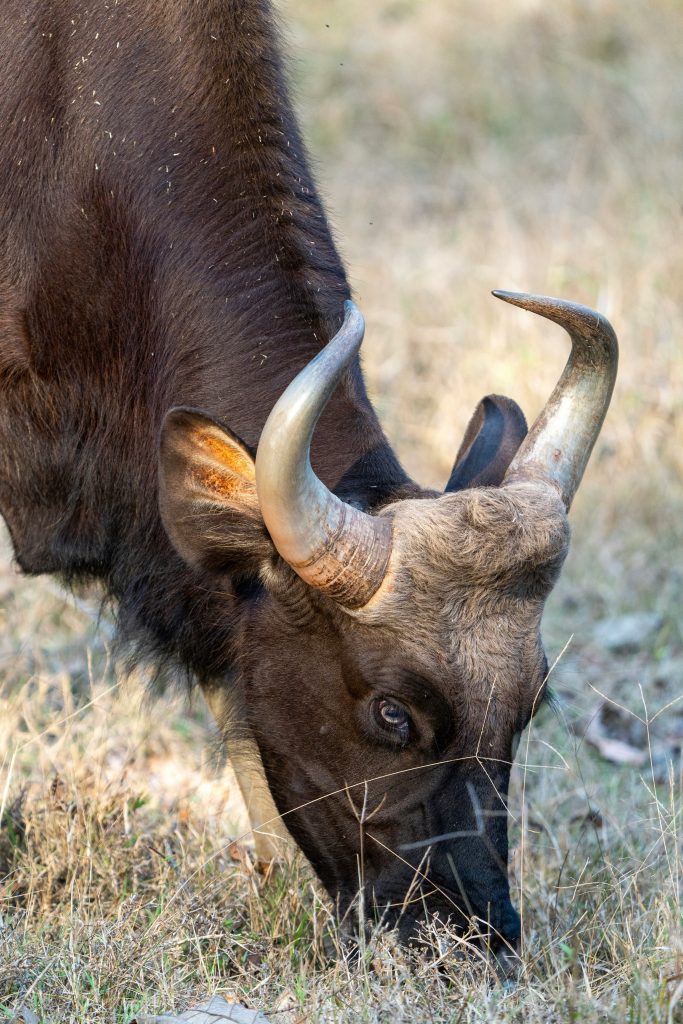
What makes this translocation project exceptional is its scientific planning and execution. Every stage of the operation, from animal identification and health assessment to transportation logistics and habitat suitability analysis, was carried out using modern wildlife management protocols and scientific conservation methodologies.
Such a structured approach ensures that the relocated animals can adapt successfully to their new habitat while minimizing stress, mortality, and ecological disruption. It also reflects a shift in Indian conservation strategies from passive protection to active ecological management.
Leadership and Institutional Support
The successful execution of this conservation mission was made possible through strong leadership, institutional collaboration, and expert guidance.
The operation was carried out under the leadership of the PCCF (Wildlife) & Chief Wildlife Warden, with invaluable guidance from the APCCF (Wildlife). Their strategic vision and administrative support ensured seamless coordination between departments, field teams, and scientific institutions.
This important conservation initiative was implemented by the Madhya Pradesh Forest Department, with technical support from the Wildlife Institute of India (WII), Dehradun—India’s premier wildlife research organization. The involvement of WII ensured that global best practices in conservation biology, wildlife translocation, and ecological planning were followed throughout the process.
Equally commendable was the meticulous execution by the field teams, whose dedication, expertise, and precision made the complex operation a success. From forest officers to veterinarians, trackers, and logistics teams, the effort reflected true teamwork in conservation.
Strengthening Bandhavgarh’s Ecosystem
Bandhavgarh Tiger Reserve is globally known for its tiger population, but a healthy forest ecosystem depends on balanced herbivore populations as well. Gaur, being one of the largest herbivores in India, play a crucial ecological role by:
- Regulating vegetation growth
- Supporting predator populations
- Maintaining forest structure
- Enhancing biodiversity stability
By strengthening the Gaur population in Bandhavgarh, this translocation initiative contributes to long-term ecological stability, ensuring that predator-prey dynamics, habitat health, and biodiversity conservation remain balanced.
Madhya Pradesh: A National Leader in Wildlife Conservation
This operation stands as another powerful example of Madhya Pradesh leading India in active wildlife conservation and scientific wildlife management. The state has consistently pioneered conservation initiatives that go beyond protection, focusing on restoration, regeneration, genetic health, and ecosystem sustainability.
From tiger conservation and habitat connectivity to species translocation and biodiversity planning, Madhya Pradesh is setting benchmarks for conservation governance in India.
A Model for Future Conservation Projects
The Second Phase of Gaur Translocation is not just a successful project, it is a replicable model for conservation across India. It demonstrates how:
- Scientific planning
- Institutional collaboration
- Strong leadership
- Field-level execution
- Community and ecological sensitivity
can together create impactful and sustainable conservation outcomes.
Conclusion
The successful completion of the Second Phase of Gaur Translocation from Satpura to Bandhavgarh marks a defining moment in India’s conservation journey. With 50 Gaur now relocated in two phases, the initiative strengthens genetic diversity, ecological balance, and long-term population sustainability in Bandhavgarh Tiger Reserve.
More than just a wildlife operation, this project symbolizes India’s evolving conservation philosophy, where science, strategy, and sustainability come together to protect nature for future generations.
Madhya Pradesh has once again shown that true conservation leadership lies not only in protecting forests but in actively managing ecosystems to thrive. This initiative stands as a beacon of hope, innovation, and inspiration for wildlife conservation efforts across the country.