
My daughter grabbed my arm so hard she left a mark.
We were on our morning safari out of Pandav Hotels, the jeep parked in silence at the edge of the Butter Zone, when our naturalist raised one finger and whispered — “There. Behind the leaves. Don’t move.”
We stared. We squinted. We saw nothing.
And then — the leaves shifted. A rosette pattern. A tail. Two amber eyes blinking once, slowly, like the jungle itself was watching us back.
A leopard. Gone in four seconds. My daughter hasn’t stopped talking about it since.
Here’s the thing that will surprise you: Satpura has over 100 leopards. And almost nobody sees them. This is not a failure of the safari. This is the leopard doing exactly what it has spent millions of years perfecting. Today, we’re pulling back the curtain — with real intelligence straight from our naturalist’s briefing — on one of India’s most misunderstood and magnificent wild cats.
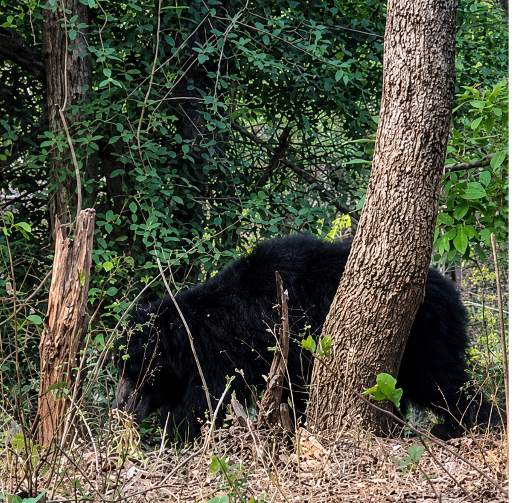
What Makes Satpura’s Big 5 So Special — And Why Most Visitors Only Know About 4
Ask anyone about Satpura and they’ll say tigers. Fair enough. But Satpura is quietly one of the only reserves in India offering a true Big 5 wildlife experience — and most travellers don’t even know what the fifth animal is.
Tiger. Leopard. Sloth Bear. Indian Gaur. Indian Giant Squirrel.
That last one — the Indian Giant Squirrel (Ratufa indica) — is a blaze of purple, maroon and cream flying between the canopy trees like something out of a dream. Kids lose their minds when they see one. Adults immediately reach for their cameras and miss it completely.
This is what separates a stay at the top resorts in Madhya Pradesh from a generic wildlife trip. When your naturalist knows to look for all five — and knows where and when — every safari becomes a masterclass, not just a drive.
Why 100+ Leopards Stay Hidden — The Science Behind the Secret
Here’s what our naturalist told us, and it genuinely changed how we think about leopard sightings.
Satpura has over 100 leopards. But only about 10–15% of them move through the active safari zone. The rest are deeper, higher, quieter. And the primary reason fewer leopards are spotted today compared to ten years ago is not population decline — it’s the rise of tigers.
Tiger and leopard cannot share the same territory. As Satpura’s tiger numbers have grown beautifully — a conservation success story — leopards have been pushed into the canopy, into deeper corridors, into the hours between dusk and dawn. Fewer sightings actually mean more tigers. Which is good news.
The leopard’s scientific name is Panthera pardus — and that name carries weight. This is an animal that can carry twice its own body weight up a tree, haul a kill into the branches before a tiger even smells it. This is an ambush predator — it hides behind leaves, uses its rosette spots as camouflage, and waits. When the forest is green and full, the leopard essentially vanishes into it.
Earlier, guests on safari at Pandav Hotels Madhai would regularly spot 10–12 leopards in a season. The population hasn’t shrunk — the jungle has simply gotten more competitive. And that makes every leopard sighting feel like winning something.
When, Where & How to Actually Spot a Leopard in Satpura
This is the part kids want to know. And honestly, so do adults — they just ask more quietly.
When: Leopards are largely nocturnal. Daytime sightings are rare and precious. Your best window is early morning safari — just after dawn, before the heat rises and the animals retreat.
Where: Right now, the Butter Zone is your best bet. Summer dryness reduces ground cover, and leopards moving between water sources become briefly, beautifully visible. The Core Zone also has movement but is less predictable.
How: Your naturalist will tell you to watch the trees, not the ground. A leopard at rest drapes itself over a branch like a living fur stole. Look for a tail hanging down where no branch should be. That’s usually your first clue.
Pro tip from our naturalist: Leopards prey on dogs and cattle near forest fringes — which means early morning near village-adjacent zones can occasionally offer sightings that the deeper safari routes miss entirely. If you’re booking your online hotel booking in Pachmarhi or nearby Madhai, ask specifically about fringe zone drives.
The Fight Nobody Talks About — When Tigress Bachi Met a Male Leopard
Every safari has stories that don’t make it into the brochures. This is one of them.
Tigress Bachi — one of Satpura’s most documented and tracked big cats — had a direct territorial confrontation with a male leopard. It wasn’t a hunt. It was a fight for space, for dominance, for the right to exist in a particular patch of jungle.
Bachi won.
The leopard retreated. And that single encounter quietly explains why certain areas of Satpura show reduced leopard activity today. It’s not absence — it’s strategic withdrawal. The leopard lives to fight another day, moving higher, moving quieter, waiting for the territorial map to shift again.
This is the level of wildlife intelligence you get when you stay somewhere that takes the jungle seriously. Whether you’re searching for Pachmarhi places to stay or planning a dedicated Satpura leopard safari — choose a property where the naturalist is as important as the mattress.
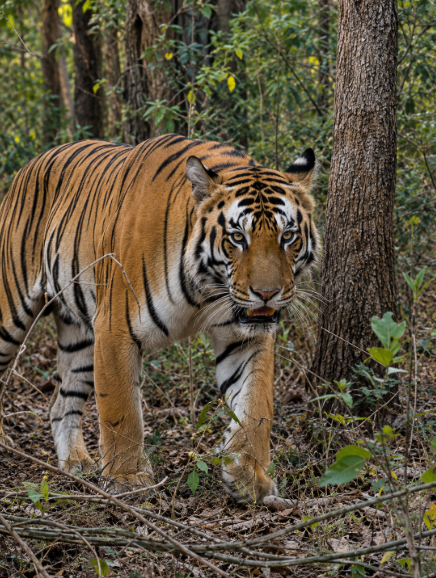
Before the Tigers Came — What Satpura Looked Like in 1970
Here’s a piece of history that reframes everything.
Before Project Tiger launched in 1970–72, Satpura was known primarily as a Biosphere Reserve — famous for sloth bears and leopards, not tigers. Tiger sightings were genuinely rare. Leopard and sloth bear sightings were the headline experiences.
Then the conservation engine started. NGOs, the Forest Department, nature lovers, wildlife scientists — all working in parallel on species recovery. Tiger Project, Pengolin Project, Reptile Conservation programmes all came out of Central India during this era.
The result, fifty years later: Satpura is a tiger stronghold. And the leopard — that ancient, adaptable, magnificent ambush artist — has quietly adjusted. It didn’t disappear. It evolved its strategy.
Your kids are visiting a jungle that is the direct result of fifty years of human commitment to conservation. That’s worth telling them on the drive in.
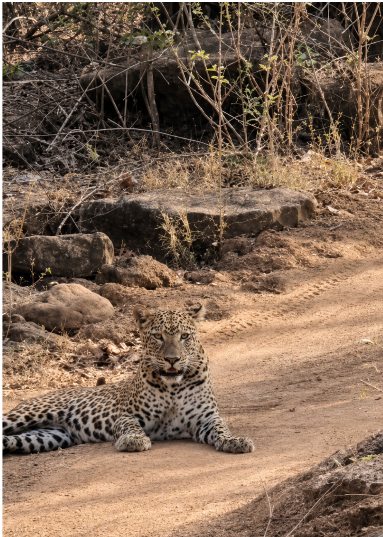
Is Satpura the Best Place in Madhya Pradesh to See a Leopard?
Honest answer from our naturalist: yes, if you know how to look.
With 100+ leopards in the reserve, Satpura has one of the healthiest leopard populations in Central India. The challenge is access and knowledge — which is exactly why your choice of stay matters so much. The top resorts in Madhya Pradesh that operate near Satpura don’t just offer beds and breakfast. They offer briefings, naturalist expertise, and zone-specific intelligence that changes what you see on every drive.
If you’re planning your trip and exploring online hotel booking in Pachmarhi or the Madhai corridor — look for a property where wildlife knowledge is built into the experience, not bolted on as an afterthought.
That is what we do at Pandav Hotels. Every morning brief. Every evening debrief. Every leopard tale your kids will repeat at school on Monday.
For deeper reading on India’s leopard conservation efforts, visit the Wildlife Institute of India — the country’s leading authority on big cat research and habitat management.
Conclusion
Satpura doesn’t hide its leopards to frustrate you. It hides them because that is what leopards do — and the jungle is working exactly as it should.
When you do see one — and with the right naturalist, the right zone, and a little patience, you will — it will feel earned. It will feel like the jungle chose to show you something. Your kids will grab your arm. You’ll stare. And for four seconds, the whole world will hold its breath.
For more stories straight from the safari trail, read our blog: 👉 From Tiger Trails to Leopard Tales: A Thrilling Afternoon in Satpura
FAQs —
Q1. Are there really 100+ leopards in Satpura National Park?
Yes — according to our resident naturalists at Pandav Hotels, Satpura Tiger Reserve is home to over 100 leopards, making it one of the healthiest leopard populations in Central India. However, only 10–15% of leopards move through the active safari zone, which is why sightings feel rare despite strong numbers.
Q2. Why are leopard sightings in Satpura decreasing even though the population is healthy?
The main reason is the growth of the tiger population. Tiger and leopard cannot share the same territory — as tigers have increased across Satpura, leopards have moved deeper into the forest, higher into the trees, and shifted more toward nocturnal activity. Fewer sightings is actually a sign of a thriving ecosystem.
Q3. What is the best time and zone to spot a leopard in Satpura?
Early morning safaris in the Butter Zone currently offer the best leopard sighting probability, especially during summer when dry conditions reduce ground cover. Leopards are primarily nocturnal so dawn drives give you the highest chance of a daytime encounter.
Q4. Did a tiger and leopard actually fight in Satpura?
Yes — Tigress Bachi had a direct territorial confrontation with a male leopard in Satpura and won. This kind of interaction is rare to document and reflects the very real territorial competition between big cats that shapes wildlife movement across the entire reserve.